Unveiling the World of Android Emulation on Mac: A Gamer’s Adventure
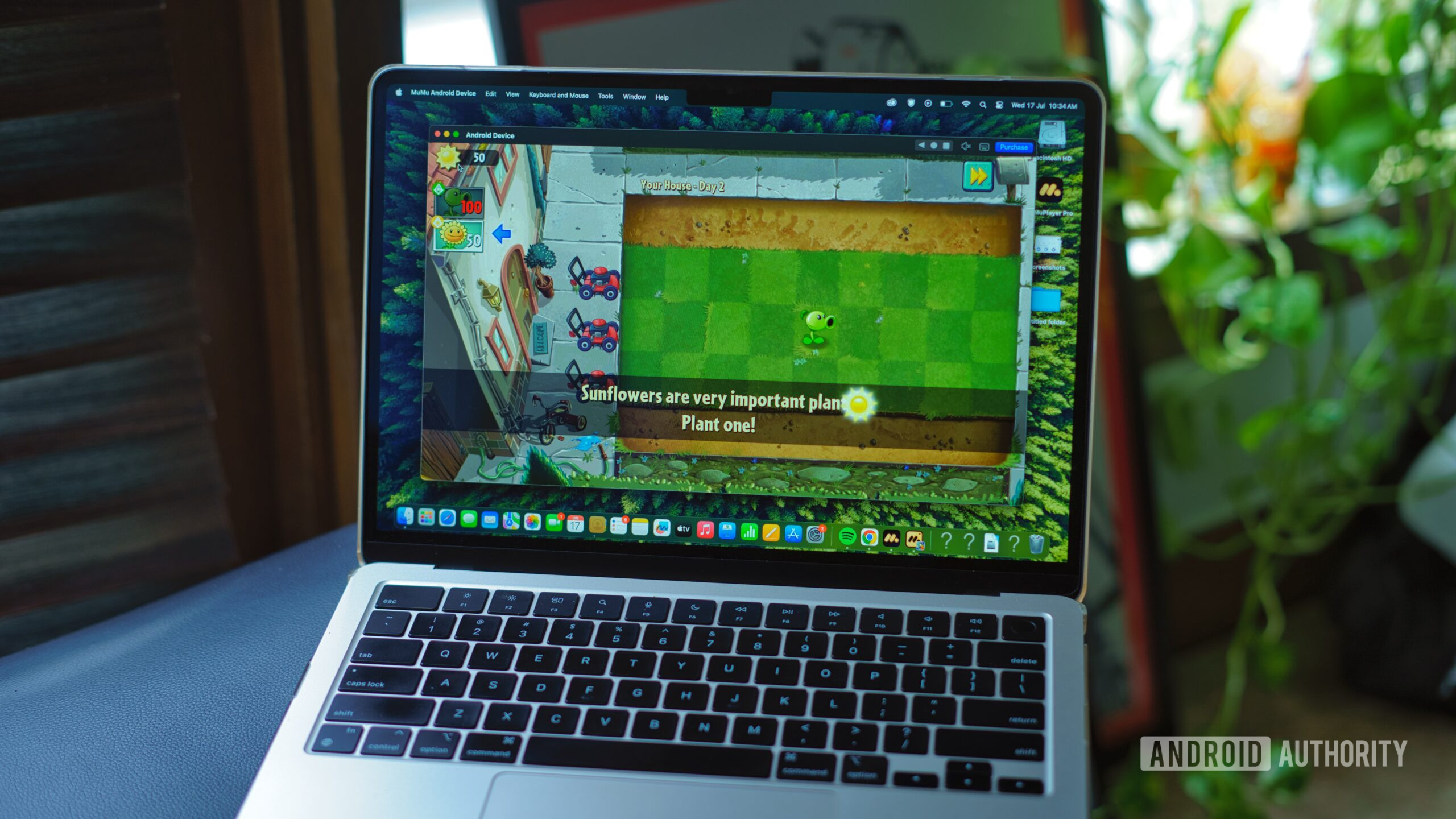
Let me share a little secret with you: I’m an avid enthusiast of the Plants vs. Zombies series. This delightful game has captured my heart ever since it graced our screens in 2009. The exhilarating fun of its sequel, Plants vs. Zombies 2, however, is confined to mobile devices. While it certainly ranks as one of the finest Android games out there, I yearn for gaming flexibility that a larger PC screen provides. My ultimate desire? To obliterate waves of zombies with seed pellets on my expansive 43-inch monitor while at home.
Exploring Android Emulators for Mac: An Unexpected Journey
Recently, I've taken it upon myself to search for the crème de la crème of Android emulators that can run on macOS. My mission? To enjoy all my cherished mobile games, including Plants vs. Zombies 2, directly on my computer. I found myself diving deep into the peculiar landscape of Android emulation on a Mac. Here’s what I discovered in my quest for the perfect emulator.
The Sparse Landscape of Android Emulators for Mac
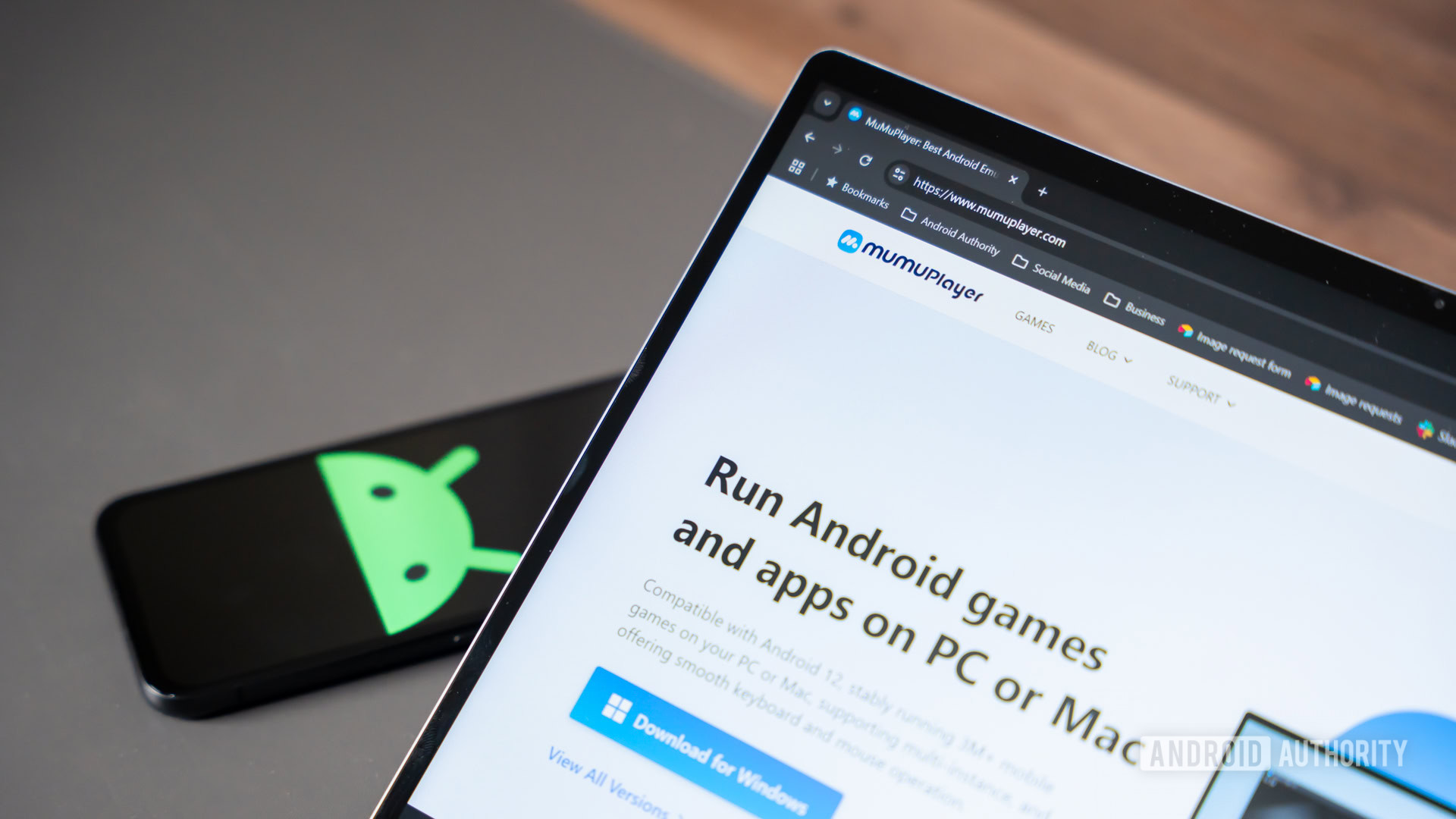
To kick off my adventure, I eagerly consulted a list of the best Android emulators designed for Mac users. Much to my surprise, it became glaringly obvious that the options are quite limited, especially for those of us equipped with the latest M1-based MacBooks. The sole standout on this front is Mumuplayer, a China-based emulator that proudly claims to be fully optimized for modern Mac devices. My journey into the world of Android emulation began here.
Mumuplayer: Basic Yet Capable Emulation
Installing Mumuplayer was a breeze—akin to downloading any regular Mac application. Once set up, the interface presented me with a range of simple options, starting with selecting a device profile. These profiles simulate Google devices when downloading apps from the Play Store. Customization abounds; users can select profiles tailored for phones or tablets and even increase the CPU cores and RAM allocated to the emulator.
As I fired up the emulator, I was greeted with a familiar Android 12 interface, albeit lightly customized. Connecting the emulator to local storage was seamless, allowing me to drag and drop APK files or log into the Play Store for additional games and apps. While the base functionalities were satisfactory, I quickly realized it was merely a standard Android experience.
Pushing Boundaries: Testing the Limits of Emulation
Feeling adventurous, I decided to push Mumuplayer to its limits with a more graphic-intensive title—Call of Duty Mobile, a prime favorite among players. Dos this top-notch game, beloved on Windows with emulators like BlueStacks, translate well to Mac? Spoiler alert: it does not.
My in-game experience was met with frustrating limitations; despite successfully installing the game, I faced constant crashes just before missions commenced. Mumuplayer comes with a strict compatibility list that limits its effectiveness for applications beyond this narrow scope. I even attempted to install the Netflix app from Android, hoping for a cinematic escape, but was met with another dead end.
Frustrations with Navigation and User Experience
Using a mouse to navigate the emulator became another hurdle. I encountered bizarre phantom touches and missed swipes that made my experience feel disjointed. While I understand Android’s primary design revolves around touch input, Mumuplayer’s inadequacies regarding mouse support became exceedingly apparent. The clunky hardcoded buttons for multitasking didn’t help either, leading to an overall unsatisfactory experience.
Taking a Detour: Investigating Android Studio
With my Mumuplayer experience heading downhill, I began to explore alternative avenues. One potential option is Google’s Android Studio, a development suite catering to app creators. It includes a robust Android emulator intended for app testing, not necessarily gaming. Installation was straightforward, yet I quickly learned that the emulator simply is not tailored for gaming purposes. It mirrors screen gestures through mouse movements, making fast-paced games like PUBG virtually unplayable.
Good News for Intel Mac Users: A Brighter Outlook
While my search brought limited success for M1 users, there’s a silver lining for those on Intel-based Macs. The legendary BlueStacks remains a popular solution for running Android games smoothly. While BlueStacks transitions towards cloud emulation for M1 devices, Intel Macs enjoy a native experience. Though I can’t test newer releases on an Intel machine, my previous encounters were delightful. Another option to consider is NoxPlayer, which operates on an older Android version for reliability.
The Road Ahead: Hope for Future Emulation Improvements
Ultimately, my quest for a top-tier Android emulator on Mac concluded with a mixed bag of results. While both Mumuplayer and Android Studio offer some capabilities, they fall short for serious gaming enthusiasts, especially with demanding titles. The experience often leads to exasperation rather than enjoyment due to missed gestures and unexpected crashes. Here's hoping for innovative solutions to emerge in the near future—until then, I’ll return to conquering zombies on Plants vs. Zombies 2 on my phone.