Discovering My Reliable Companion: The Allure of Microsoft Edge
As I open Microsoft Edge, a sense of satisfaction washes over me. It’s not cluttered with extravagant gimmicks or experimental features; it simply delivers stability, speed, and performance. In many ways, it feels like the perfect fit, akin to finding a comfortable pair of shoes after countless trials and errors. Over the years, I’ve navigated through a plethora of browsers, constantly on the lookout for that elusive ideal, yet time and again, I find myself returning to Edge.
A Trustworthy Option in the Browser Market
Microsoft’s contemporary browser, based on Chromium, instills confidence with its thoughtful features and reliable functionality. It integrates perfectly across platforms, making it easy for me to switch between devices without a hitch. Everything I loved about Chrome—extension access, a robust password manager, and the ability to handle passkeys—is also available here, along with superior customization options. While it may not excel in every area, Edge embodies the balance of capability and simplicity I crave in a browser.
Bored with Browser Hopping? Join Me!
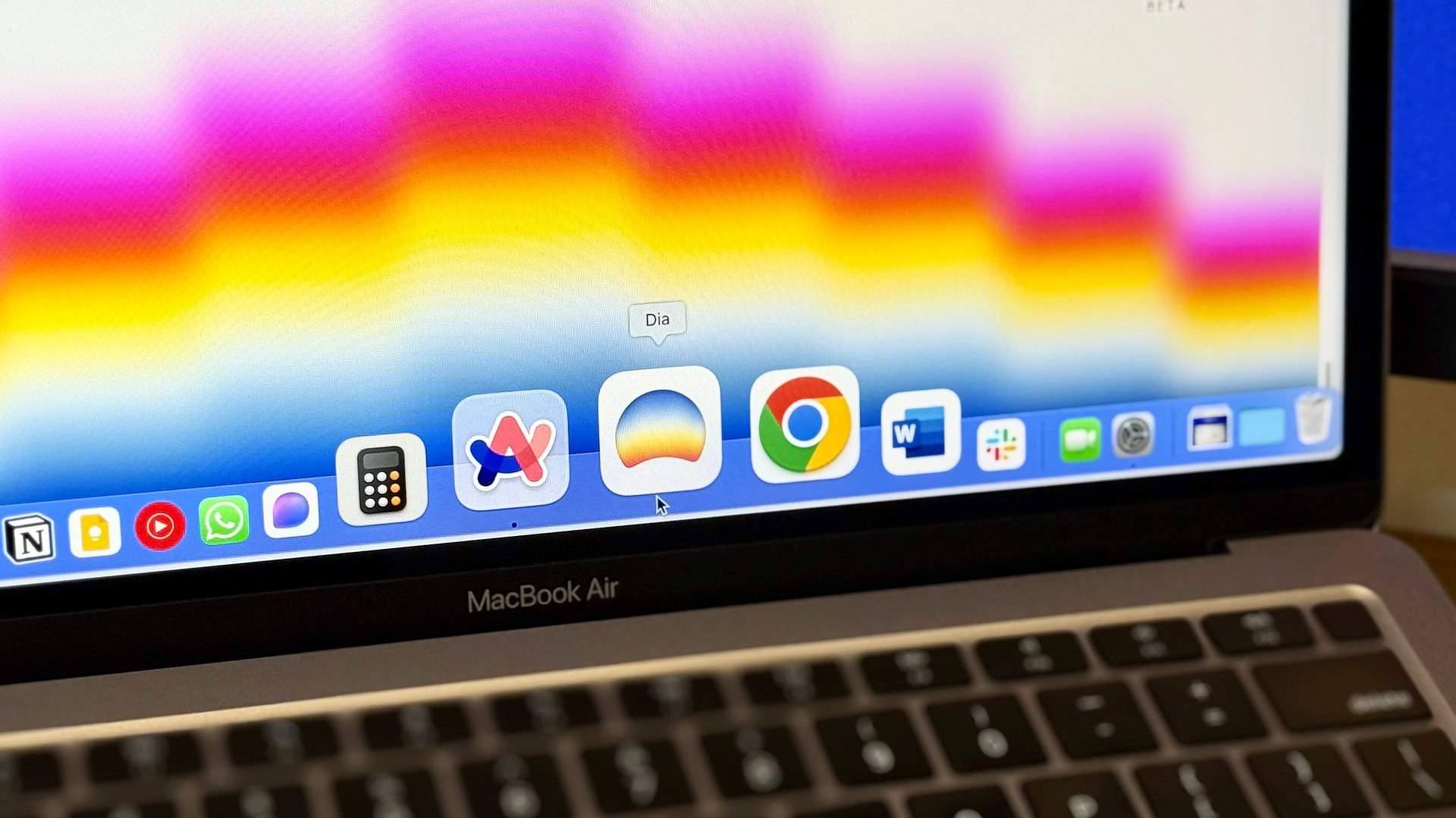
If you’ve ever dedicated time to explore Microsoft Edge, you might understand its understated charm. With the tech world buzzing around newer browsers like Arc, I allowed curiosity to draw me in. Initially, the Arc browser seemed innovative, but the novelty quickly faded upon deeper exploration. Edge already offered side tabs and organizational tools like Workspaces—features that made returning to Edge a no-brainer. The excitement for shiny new things often fades, but returning to familiarity felt like slipping into a well-loved sweater.
The Evolution of My Browser Preferences
My journey began with Netscape Navigator before transitioning to Internet Explorer. Firefox caught my attention next; it was a refreshing change with its nimble performance and elegant interface. I embraced Chrome enthusiastically upon its Canadian launch, enthralled by its speed and extensive library of extensions. However, as Google began consolidating power and introducing an overwhelming amount of bloatware, my browser loyalty wavered. It was time for a change.
The Quest for the Perfect Replacement
As I searched for alternatives, I stumbled upon Vivaldi, which promised an extreme level of customization. Sadly, its complexity quickly deterred me. Opera felt average at best, while the original Microsoft Edge launched back in 2015 left much to be desired in terms of functionality. Brave presented itself as a strong contender with its speed and privacy capabilities, but the concerns regarding its leadership and cryptographic leanings made me hesitant. That’s when Microsoft unveiled their Chromium-based Edge in 2020, setting the stage for a more reliable browsing experience.
Major Advantages of Edge
The moment I switched to the new Edge, I appreciated its seamless compatibility across both my Windows PC for work and my MacBook Pro for mobility. The automatic syncing of passwords, history, and open tabs made switching between devices a breeze. Edge also boasts an efficient memory management system, consuming significantly less RAM than Chrome, making it a lightweight yet powerful option. The vertical tabs feature transforms chaos into order by neatly organizing tabs on the side rather than cramming them into a dwindling horizontal space. This organization is a lifesaver when juggling multiple projects or conducting research.
Moreover, the Collections feature quickly became indispensable in my workflow. It allows me to gather links and screenshots without disrupting my tasks, functioning like a digital scrapbook neatly organized in a sidebar. Whether compiling resources for an article or curating a wish list, it far exceeds my previous note-taking applications. Meanwhile, Workspaces afford me the luxury of sorting multiple groups of tabs, preserving my progress even after closing the browser.
Areas Where Edge Needs Improvement
However, I must acknowledge that Edge isn’t a flawless tool. Its design leans heavily on Microsoft's ecosystem, leading to frequent prompts that urge users to switch to Bing. While I appreciate the integration, the incessant reminders can test even the most patient users. Adjusting the opening screen can also feel chaotic until I reconfigure it according to my preferences. Additionally, the mobile version feels somewhat cramped, as though Microsoft attempted to condense the desktop experience into the smaller format, which might deter casual users.
Despite Edge's advancements, it still wrestles with a legacy problem, rooted in the outdated reputation of Internet Explorer. Many potential users cling to this outdated stigma, associating Edge with past failures rather than recognizing the shifts made under Microsoft’s current leadership.
Why I Keep Coming Back
In the end, it’s the reliable performance of Edge that wins my loyalty. It’s a dependable tool that performs admirably in every aspect—from browsing to productivity. I've never faced a crash or slowdown, and the interface promotes efficiency with its clean design and accessible sidebar. While there are concerns about data privacy, I trust Microsoft’s motives more than Google’s, particularly regarding ads and data handling. Each day, despite exploring new options, I find myself returning to Edge—it simply fits. It’s the browser that continually proves its worth in my digital life.