A New Era: Uniting Chrome OS and Android for Seamless User Experience
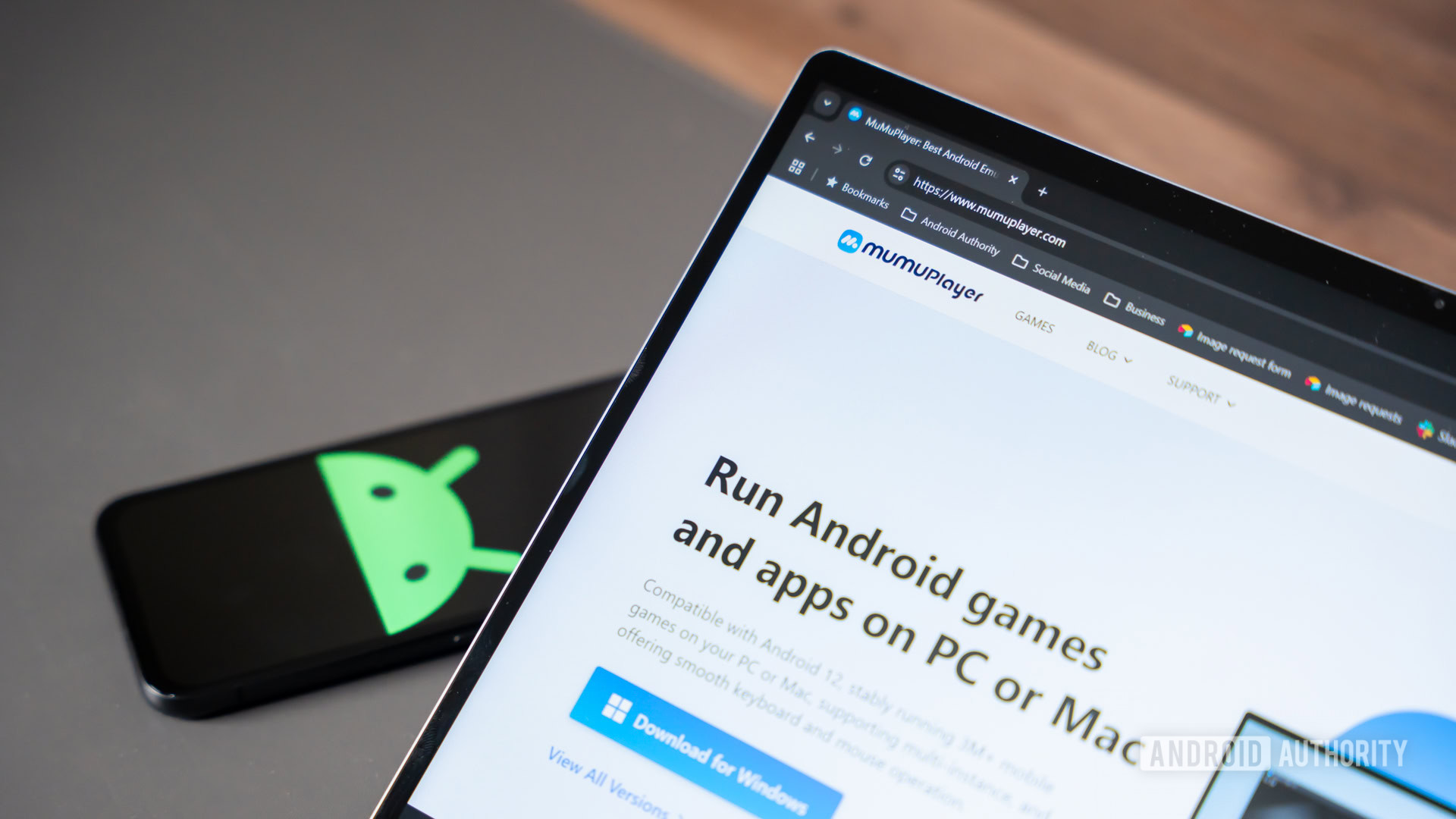
In a bold move that has stirred excitement and raised eyebrows, a senior Google executive recently revealed in an interview that Chrome OS and Android are on the path to becoming one. This announcement comes after previous reports suggested that Chrome OS would essentially merge with Android, as Google commits to enhancing Chrome OS by integrating various segments of the Android framework.
While this integration appears promising at first glance, there are significant concerns that Google must address. Here’s a breakdown of the aspects Google needs to get right to ensure this merger benefits users and maintains the strengths of both operating systems.
Maintain Swift System Updates
One of the standout features of Chromebooks is their ability to receive rapid and reliable system updates. In contrast, many Android devices suffer from delayed updates, often leading to frustration among users. Though some premium Android brands pledge extended support for newer models, budget devices frequently fall into a void of limited updates.
Keeping this in mind, Google cannot compromise on the timely delivery of system updates through the proposed Chrome OS and Android amalgamation. This reliability in updates is a defining characteristic of Chromebooks, showcasing that even entry-level models can benefit from consistent improvements. The last thing Google wants is to tarnish the reputation of Chromebooks by letting the slower update pace of Android take hold.
Integrate Robust Extension Support
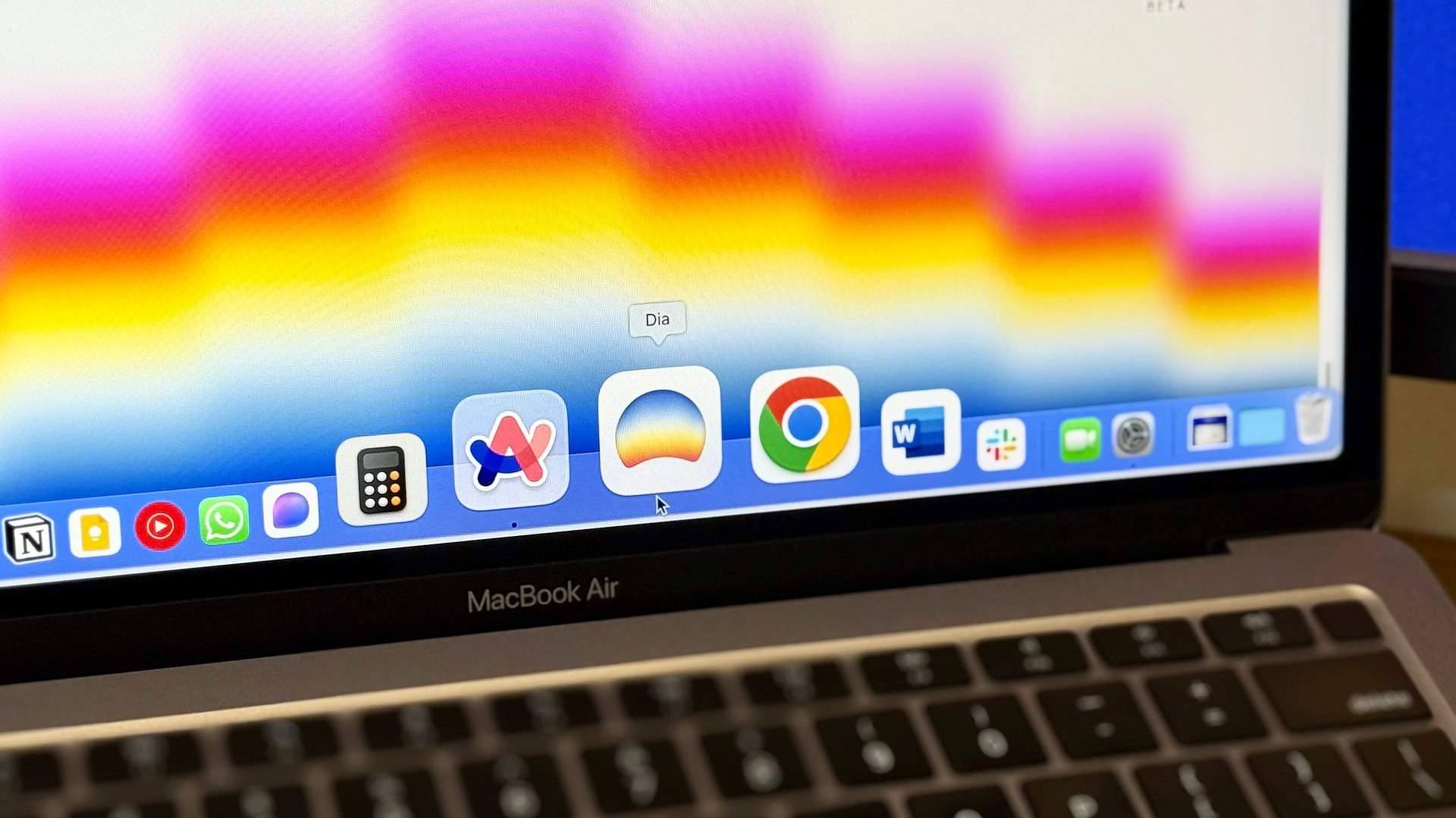
The absence of extension support in Chrome for Android has been a persistent frustration for users. While some might use alternative browsers to sidestep this limitation, it’s time for Google to implement genuine support for extensions within Chrome on Android. Exciting news has emerged regarding the development of a "desktop" version of Chrome that accommodates extensions; however, the standard version also needs this support. Access to extensions would not only enhance the user experience on mobile but would empower productivity, allowing users to effectively navigate their work from their phones.
Avoid Bloatware Ingress
Chromebooks have garnered appreciation largely due to their minimalist design, free from excessive pre-installed applications that typically plague Windows machines. The situation with Android devices varies significantly—some, like Google’s own offerings, maintain a bloatware-free experience, while others are laden with applications that many users never utilize.
Google must ensure that its combined Chrome OS does not inherit Android's problematic bloatware. This is particularly crucial for budget models, which often have limited resources. The last thing these devices need is a suite of unnecessary apps that could hinder performance and user experience.
Implement Multiple User Profiles
A key shortcoming of Chrome on Android has been the lack of multiple user profile support. Users have devised workarounds, such as duplicating the Chrome app, but an official solution is long overdue. As many users balance personal and professional tasks on their devices, the ability to switch between profiles would create a more personalized and secure browsing experience. Google must prioritize this feature to ensure the new combined platform appeals to a broad audience.
Keep System Requirements Manageable
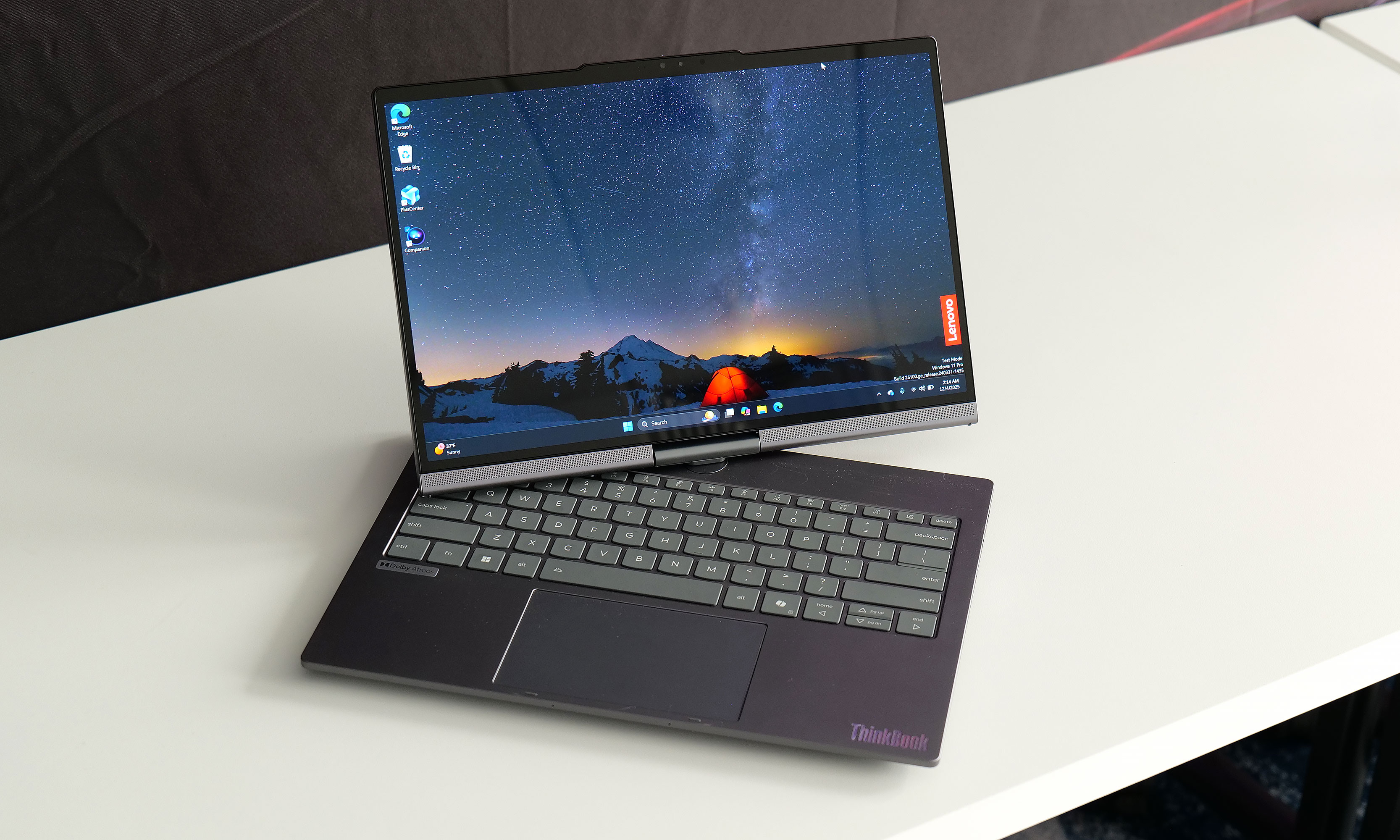
One distinct advantage of Chromebooks is their ability to operate smoothly on lower-end hardware. Sub-$250 models can typically run without hiccups, whereas competitor Windows machines often struggle, especially with recent operating system iterations. Although Google has steadily raised Android's minimum requirements, it must be cautious not to escalate the requirements for the new Chrome OS excessively.
Affordable Chromebooks are immensely popular among various demographics, including schools and businesses. If Google raises requirements too dramatically, it risks alienating a crucial segment of its user base. Maintaining a balance between performance and accessibility will be fundamental for the success of this integration.
Conclusion: The Path Forward
The impending integration of Chrome OS and Android is an exhilarating development with the potential to reshape how users interact with their devices. By prioritizing timely updates, proper extension support, streamlined apps, user profiles, and manageable system requirements, Google can ensure this merger elevates the user experience. The pressure is on for Google to deliver a seamless, user-friendly platform that remains true to the guiding principles of both Chrome OS and Android.