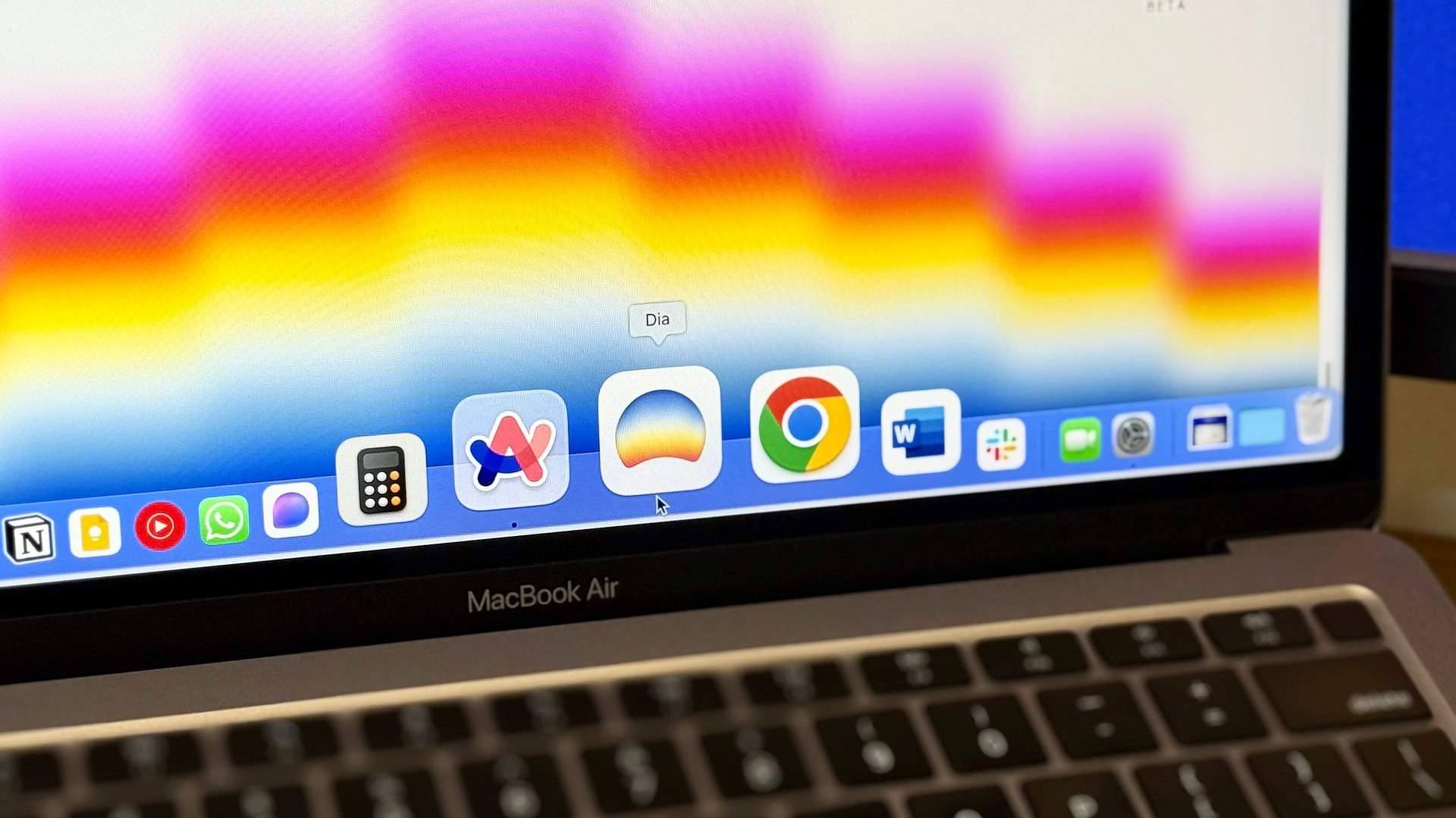
The Rise of Dia: A New Era in Browsing with Generative AI
In a world buzzing with technological advancements, few names have created as much excitement within the tech community as The Browser Company, the ingenious developers behind Arc. Although Arc brought a refreshing twist to the web browser experience, it fell short of the widespread acclaim the team envisioned. In response to its lukewarm reception, the company has pivoted towards its new creation, Dia—a web browser designed from scratch with generative AI at its core. This cutting-edge browser aims to blend seamlessly into your daily routines, engaging with your open tabs while boasting an unprecedented level of contextual understanding.
Currently available in beta for Mac users, I had the chance to delve into Dia’s features to discern if it's compelling enough to lure users away from the dominant force of Google Chrome.
Dia vs. Arc: The AI Browser Showdown
Upon first exploration, Dia distinguishes itself from Arc with a significantly different approach to user interface design. Rather than challenging traditional browsing habits, Dia embraces a more conventional layout that caters to user familiarity. Tabs, settings, and the search bar find their rightful place at the top, creating an experience that soothes rather than shocks the senses.
Unlike Arc’s subtle integration of AI features, Dia offers a bold, direct engagement. The search bar is fully powered by AI while a chatbot conveniently resides on the sidebar, showcasing remarkable contextual awareness not limited to the current tab but extending to your entire browsing journey.
Going Beyond the Ordinary
While many AI features in browsers manifest as mere sidebars or simplistic writing aids, Dia’s capabilities extend well beyond the conventional. Among its most impressive skills lies the ability to process complex content, going beyond just images or text. For instance, Dia can generate a concise summary of extensive video interviews—like a recent 40-minute conversation with Sam Altman—using just one prompt. This feat is accomplished in a matter of seconds thanks to its reliance on closed captions instead of requiring a full video analysis.
Furthermore, Dia excels in handling multiple tabs simultaneously. By selecting various tabs, users can pose questions, making it a powerful tool when weighing options for bookings or purchasing decisions. However, it isn’t without its issues; sometimes, Dia pulls in extraneous information from the web. With a little fine-tuning in this beta version, addressing this will improve user experience significantly.
Discovering 'Skills': The Automation Future
A particularly intriguing feature called "Skills" operates almost stealthily within Dia. Initially challenging to locate, it proved worth the effort. Skills allow users to automate tasks using natural language, eliminating the need for coding knowledge. Simply name your skill and describe its function, and Dia manages the rest. My first endeavor was a news summary Skill that transformed my morning routine—what once took a tedious half-hour now takes less than a minute. Users can also create more intricate automations, ranging from digesting daily emails to summarizing Twitter feeds, further enhancing productivity.
However, it would be beneficial for Dia to make Skills function proactively, triggering actions automatically based on user interactions. This added layer of convenience would significantly enhance the overall user experience.
A Balancing Act: Benefits vs. Intrusion
While Dia's AI innovations are commendable, there are moments when they complicate rather than simplify. For instance, relying on a chatbot for webpage translation can feel cumbersome compared to simply clicking a button for instant language switching. Additionally, the extensive AI integration raises privacy concerns, given that such deep engagement involves sending user data to the cloud. Though the developers assure the anonymization of data, lingering doubts persist, especially for those recalling past security issues with Arc.
The Future Landscape of Web Browsers: A Competitive Arena
Dia showcases numerous impressive features, from smart automations to innovative multi-tab interactions, poised to attract users seeking a fresh experience. But it is essential to note that Google Chrome is not standing idly by. With the introduction of similar AI functionalities through its Gemini integration, Chrome is set to enhance its already dominant platform. The sleek Gemini UI promises a more compact experience compared to Dia’s extensive sidebar, potentially making Chrome an even more intuitive browsing companion.
Ultimately, once Chrome incorporates comparable features, persuading users entrenched in its ecosystem to switch to Dia might prove challenging. As a result, Dia must carve out a compelling narrative to compete effectively, particularly as Google continues to advance its AI capabilities.
As users weigh their options, the fundamental question prevails: whom do they trust more with their data—Google or The Browser Company? The answer will shape the future of web browsing as we continue to move toward an increasingly digital landscape.