Unleashing the Power of Google Nest Wifi: A Comprehensive Guide
In the tech world, purchasing a router might not ignite excitement like other gadgets, but it plays a vital role in our everyday digital lives. The Google Nest Wifi, initially unveiled in 2019, transforms the mundane into something sleek and appealing. It stands out not only as a functional piece of technology but as an aesthetically pleasing addition to your home. However, as we roll into 2025, the question arises: is this Wi-Fi system still worth your investment? Let's delve into what the Nest Wifi has to offer and whether it remains a viable choice.
Understanding Google Nest Wifi
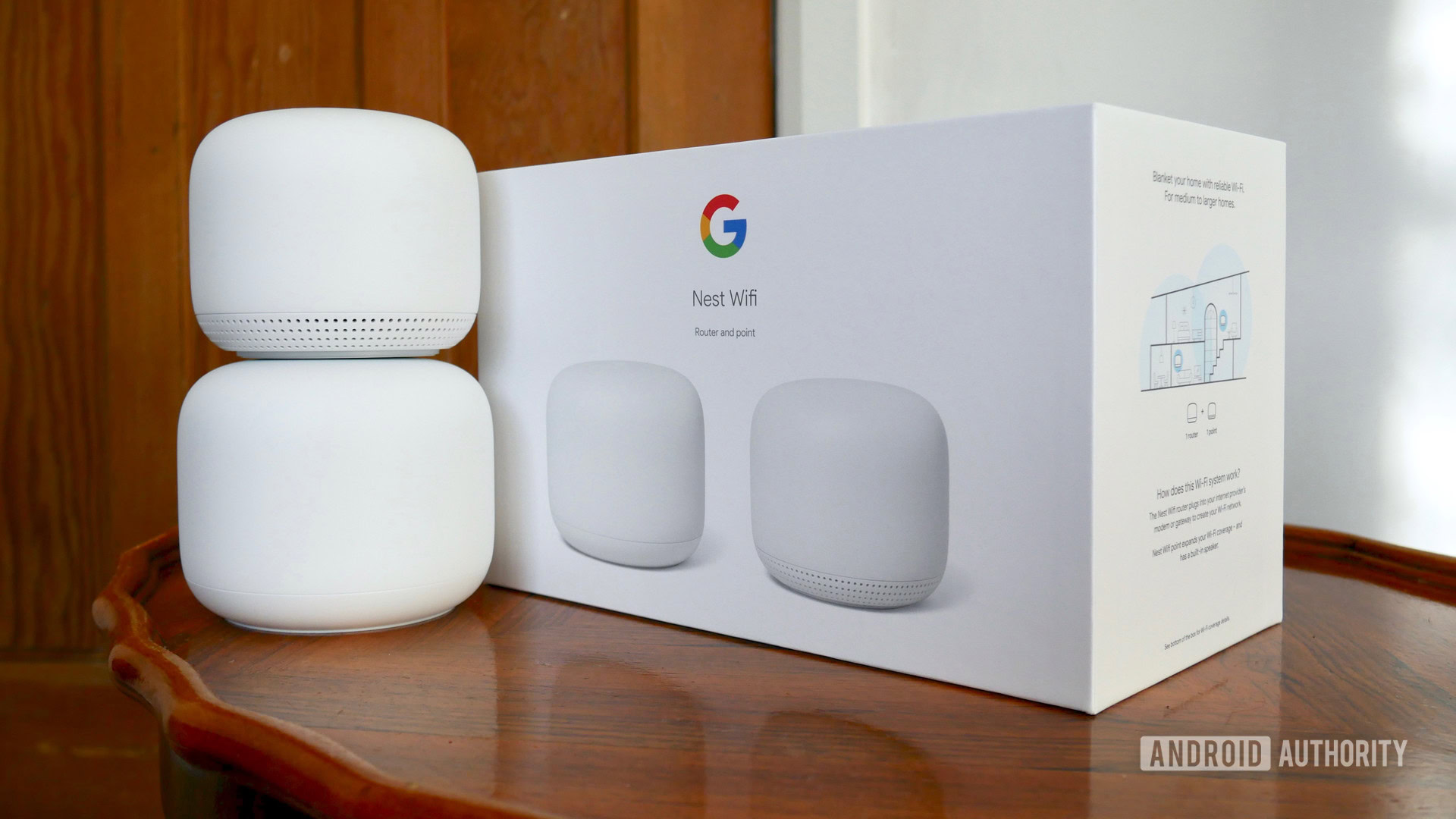
The Google Nest Wifi system is a sophisticated wireless mesh router designed to expand and enhance your home internet coverage. As a successor to the original Google Wifi, it has evolved to meet the growing demands of modern technology. Mesh networks, like the Nest Wifi, use multiple devices to create a blanket of internet connectivity throughout your space—eliminating dead zones that are common with standard routers.
At the heart of the system lies the router, which connects to your modem via an Ethernet cable. Google claims that this version has improved processing power, boasting double the CPU and RAM compared to its predecessor, leading to enhanced connectivity. Unique to the Nest Wifi is the incorporation of Google Assistant functionalities in its additional Wi-Fi points, turning them into smart devices as well.
The Router and Its Capabilities
The Nest Wifi router serves as the central hub, featuring two Ethernet ports for direct connections to devices like gaming consoles and smart hubs. Operating on a dual-band system (2.4GHz and 5GHz), it provides reliable speeds to various devices. Though not equipped with a dedicated backhaul band, user experience suggests that the router delivers consistent performance, making it suitable for most households.
The Nest Points: Extending Your Connectivity
The extension units, known as Nest Points, are integral to achieving total coverage in your home or office. While these units lack Ethernet ports, they amplify your Wi-Fi connection and contain a built-in Google Assistant, offering smart home control along with Internet access. They provide voice command capabilities to perform various functions, such as running internet speed tests or managing device connections through the Home app.
Even if your space is relatively modest (under 2,200 square feet), introducing a Nest Point can significantly mitigate issues related to thick walls or other obstacles that may impede signal strength.
Is Nest Wifi the Right Choice for You?
Considering the specifications and performance, we need to address the main question: should you opt for the Google Nest Wifi, especially with the advancements made in technology? While the router's performance is quite decent, it lacks support for newer standards such as Wi-Fi 6—a technology that enables faster data rates and better coverage.
The Nest Wifi can effectively handle moderate internet speeds but may struggle with ultra-fast connections exceeding 300Mbps. Given that most households utilize speeds below 100Mbps, the Nest Wifi will suffice for many users; however, if you have aspirations for a future-proof network, seeking alternatives may be wise.
Real-World Performance and User Experience
In testing, the Nest Wifi has proven itself to handle everyday tasks with ease, achieving impressive speeds in diverse environments. During evaluations in a 3,000-square-foot co-working space, users experienced speeds ranging from 200-500 Mbps close to the router, with the farthest corners of the building still achieving around 45 Mbps—an admirable feat considering the layout and structure.
Features typically expected of contemporary routers, such as guest networks and customizable parental controls, are user-friendly and accessible within the Nest ecosystem. Quick setup times and intuitive controls cement its status as a worthy contender in the market.
Drawbacks of Nest Wifi
While the Nest Wifi boasts many strengths, it also has notable shortcomings. Limited Ethernet ports can hinder connectivity for users with multiple wired devices, and the lack of Wi-Fi 6 support could pose a challenge as technology progresses. Moreover, while speed tests confirm that it performs well under most circumstances, users seeking specialized features may find that options are limited without extra hardware or software.
The Final Verdict: Is It Worth It?
As we approach the end of 2025, the Google Nest Wifi's relevance is increasingly under scrutiny. Despite it being a fantastic option in its heyday, newer models and systems, such as the Nest Wifi Pro, offer more advanced features and superior performance. However, if you can find the Nest Wifi at a reduced price—around the $50 range—it remains a compelling solution for moderate internet users.
In summary, while the Nest Wifi carved out a niche as a user-friendly mesh network, the fast-paced world of technology means that considering more recent alternatives will likely serve you better in the long run. For those with simple internet needs, though, the Nest Wifi continues to shine.