The Rise and Fall of Ethereum Spoof: A High-Stakes SEC Hack
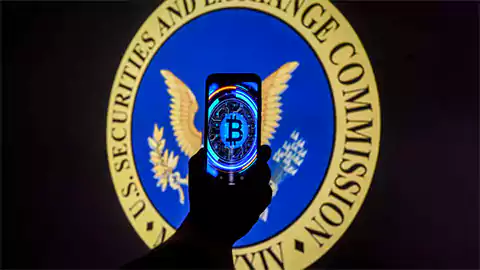
In a shocking twist that rocked the cryptocurrency world, Eric Council conspired with a band of accomplices to pull off a daring hack that targeted the U.S. Securities and Exchange Commission (SEC). Court documents reveal that Council seized control of the SEC's X account through illicit means, which culminated in a false proclamation that the SEC had granted approval for Bitcoin Exchange-Traded Funds (ETFs)—a much-anticipated move that could have immensely impacted the market. Almost instantaneously following this deceitful announcement, Bitcoin's value skyrocketed by over $1,000 per coin, igniting a frenzy among investors.
A Deceptive Strategy: The SIM-Swap Attack
The mechanics of this elaborate scheme involved a SIM-swap attack—a notorious tactic used by cybercriminals to hijack phone numbers. Council's conspiracy unfolded when he and his associates orchestrated a plan to take control of the SEC's cell phone number linked to their X account. This enabled them to transfer the number to another device, thereby gaining the capability to reset the password and gain complete access. Such a breach highlights the vulnerabilities that even major financial institutions face in today’s digital landscape.
The Art of Forgery: Creating a False Identity
In a further display of deceit, Council turned to an ID card printer to forge a fraudulent identification card using personal details stolen from a victim. This approach not only showcased his technical skills but also revealed the extent of his willingness to participate in this illegal operation. With the counterfeit ID in hand, Council impersonated the victim, successfully redirecting the mobile number to his control. This crucial step set the stage for his co-conspirators to exploit the SEC account, leading to an unauthorized post in the name of the SEC Chairman. It was a treacherous game of deceit, and Council was poised at its center.
The Crypto Thrill: A Short-Lived Victory
As the news of the fake SEC endorsement spread like wildfire, the price of Bitcoin surged—an exhilarating moment for many, yet a perilous catastrophe for the regulatory body. For Council, the thrill was palpable as he received payments in Bitcoin from his conspirators for facilitating the scheme. This momentary euphoria, however, was destined to be short-lived. The allure of quick gains through illicit means often leads to dire consequences, and in this case, it was just a matter of time before law enforcement caught wind of their operation.
The Inevitable Conclusion: Guilty Plea and Awaited Sentencing
Facing the overwhelming weight of evidence against him, Eric Council ultimately pleaded guilty to serious charges, including conspiracy to commit aggravated identity theft and access device fraud. His actions sent ripples throughout the cryptocurrency community, sparking discussions on the credibility of digital assets and the importance of cybersecurity. Now, Council awaits his sentence, scheduled for May 16, during which he faces a potential maximum of five years behind bars. The looming question is whether this punishment will serve as a deterrent for others contemplating similar schemes in the future.
A Lesson Learned in the Crypto Sphere
This incident serves as a bold reminder of the ongoing risks associated with the booming cryptocurrency market. The thrill of rapid financial gain, paired with the evolving techniques of cybercrime, creates a perfect storm for deception. As investors flock to digital assets with high hopes, the importance of robust security measures grows ever more pertinent. Regulatory bodies like the SEC must continue to adapt and fortify their defenses against such schemes, ensuring that the integrity of the market remains intact.
The story of Eric Council is not just one of crime and punishment; it embodies the complex and often treacherous intersection of technology, finance, and ethical boundaries. Every hacker's success story invariably serves as a poignant cautionary tale for investors and regulatory bodies alike—one that underscores the necessity of vigilance in the face of innovation.